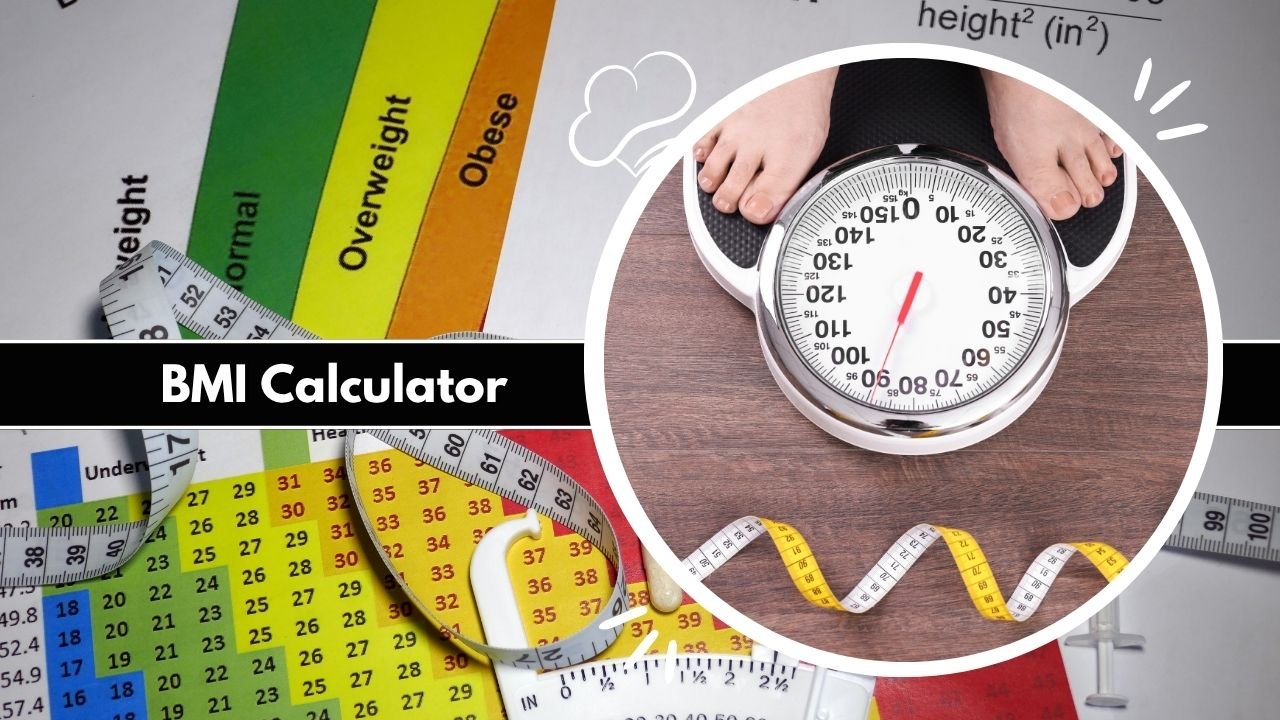
Use our free 2025 BMI calculator to check your body mass index instantly. Understand your healthy weight range and assess potential health risks in seconds.
Your BMI Result
| Description | Result |
|---|---|
| Body Mass Index (BMI) | 22.4 |
| Category | Normal Weight |
| Health Risk | Low |
<18.5 Normal
18.5-24.9 Overweight
25-29.9 Obese
30+
BMI Calculation (Metric):
Height = 172.72 cm = 1.73 m
Weight = 67.0 kg
BMI = Weight ÷ (Height²) = 67.0 ÷ (1.73²) = 22.4
BMI Categories
| BMI Range | Category | Health Risk |
|---|---|---|
| 18.5 or less | Underweight | Increased |
| 18.5 – 24.99 | Normal Weight | Low |
| 25 – 29.99 | Overweight | Increased |
| 30+ | Obese | High |
Understanding Your BMI
What is BMI? Body Mass Index (BMI) is a measure of body fat based on your height and weight. It’s a simple way to assess whether you’re at a healthy weight for your height.
How to Interpret Your BMI:
- Underweight: You may need to gain weight to reach a healthier range. Consult a healthcare provider for advice.
- Normal Weight: Your weight is within a healthy range. Maintain your lifestyle to stay healthy.
- Overweight: You may benefit from losing some weight to reduce health risks. Consider a balanced diet and exercise.
- Obese: You’re at a higher risk for health issues. It’s recommended to consult a healthcare provider for a weight management plan.
Note: BMI is a general indicator and may not account for muscle mass, age, or other factors. Always consult a healthcare professional for a comprehensive assessment.
The BMI Calculator (Body Mass Index Calculator) helps you measure whether your weight is healthy for your height — a key step in tracking overall wellness.
In 2025, according to the World Health Organization (WHO), more than 1.9 billion adults are overweight, and obesity rates continue to rise due to sedentary lifestyles and poor diet choices.
Using this free online BMI calculator, you can quickly find your BMI score, understand your weight category, and get personalized insights to help you reach or maintain a healthy weight. It’s one of the most reliable, science-backed tools for weight assessment and early risk detection for obesity-related health conditions.
This advanced BMI calculator tool goes beyond basic calculations by providing detailed interpretations of your results, personalized health recommendations, and actionable insights to help you maintain or achieve optimal wellness.
Whether you’re beginning a fitness journey, monitoring existing health conditions, or simply staying informed about your body metrics, our calculator delivers professional-grade analysis instantly.
How BMI Calculator Works (Step by Step)
Using our BMI calculator is straightforward and takes just a few moments. Here’s a step-by-step guide to get your body mass index results:
- Select Your Measurement System: Choose between metric (kg and cm) or imperial (lbs and ft/in) units to match your preference.
- Enter Your Height: Input your height in the designated field. For metric, use centimeters; for imperial, specify feet and inches. This ensures the calculation accounts for your stature accurately.
- Enter Your Weight: Provide your current weight in kilograms or pounds, depending on the selected system.
- Calculate Your BMI: Click the “Calculate BMI” button. The tool instantly computes your BMI using the standard formula: BMI = weight (kg) / [height (m)]² for metric, or BMI = [weight (lbs) × 703] / [height (in)]² for imperial.
- Interpret the Results: Your BMI value will appear, categorized as underweight (below 18.5), normal weight (18.5–24.9), overweight (25–29.9), or obese (30 or above). The tool also provides a visual scale, health risk assessment, and a detailed breakdown to help you understand what your score means for your wellness and fitness goals.
This process makes tracking your healthy weight effortless, without needing complex manual calculations.
Why Use BMI Calculator
Accuracy and Reliability: Our BMI calculator online uses medically-approved formulas endorsed by the World Health Organization and Centers for Disease Control, ensuring clinical-grade precision that manual calculations can’t match.
Immediate Health Insights: Unlike traditional methods that require complex mathematics and chart references, our tool delivers instant BMI assessment with clear categorization and health risk evaluation.
Personalized Guidance: Beyond just providing a number, our calculator offers tailored recommendations based on your specific results, helping you understand the practical implications for your health and lifestyle.
Convenience and Accessibility: Access professional body mass index analysis anytime, anywhere without appointments, costs, or specialized medical knowledge.
Evidence-Based Interpretation: We incorporate the latest 2025 medical guidelines to ensure your results reflect current understanding of weight-related health risks and management strategies.
Understanding Your BMI Results
Your Body Mass Index is more than just a number—it’s a screening tool that helps categorize your weight status and associated health risks. When you use our BMI calculator, you receive a precise score that falls into one of four primary categories:
Underweight (BMI below 18.5)
This range may indicate insufficient body weight for optimal health. Individuals with low BMI scores may experience compromised immune function, nutritional deficiencies, or underlying health conditions. Recent studies from the National Institutes of Health (2024) suggest that being underweight carries similar mortality risks to obesity in certain populations.
Normal Weight (BMI 18.5-24.9)
This healthy BMI range represents the optimal zone for lowest health risks. Maintaining a normal body mass index correlates with reduced incidence of chronic diseases, better mobility, and improved overall wellbeing.
Overweight (BMI 25-29.9)
This category indicates excess body weight that may begin to impact health. The American Heart Association’s 2025 guidelines emphasize that even moderate elevation in BMI measurement can increase cardiovascular strain and metabolic concerns.
Obesity (BMI 30 and above)
This range signifies significant excess body fat with substantial health implications. Modern medicine recognizes three obesity classes, each with progressively higher health risks requiring targeted interventions.
Health Implications of Your BMI Score
Understanding the relationship between your body mass index and health outcomes is crucial for preventive care. Research consistently demonstrates that maintaining a healthy BMI significantly reduces your risk for numerous conditions:
Cardiovascular Health
Your BMI calculation directly correlates with heart disease risk. Each five-point increase in BMI above normal range associates with approximately 30% higher cardiovascular mortality according to 2024 global burden of disease data.
Metabolic Function
BMI assessment serves as a reliable indicator for metabolic syndrome risk. Elevated scores often precede insulin resistance, type 2 diabetes, and dyslipidemia development.
Musculoskeletal Integrity
Joint health and mobility are intimately connected to weight status. Maintaining optimal body weight calculation reduces osteoarthritis progression and preserves functional independence.
Cancer Risk Correlation
The National Cancer Institute’s 2025 report confirms that elevated BMI measurements increase risks for 13 cancer types, including breast, colon, and pancreatic malignancies.
Health Tips Based on Your BMI Score
For Underweight Individuals
If your BMI calculator results indicate underweight status, focus on nutrient-dense weight gain strategies. Incorporate healthy fats, lean proteins, and complex carbohydrates while maintaining physical activity. Consult healthcare providers to rule out medical conditions contributing to low weight.
For Normal Weight Maintenance
Your optimal BMI score represents an achievement worth maintaining. Continue balanced nutrition patterns, regular physical activity, and consistent health monitoring. Remember that weight stability within this range often proves more beneficial than cyclical weight fluctuations.
For Overweight Categories
Modest weight reduction of 5-10% can significantly improve health metrics even without reaching “normal” BMI ranges. Focus on sustainable lifestyle modifications rather than rapid weight loss protocols. Incorporate more whole foods, increase daily movement, and prioritize sleep quality.
For Obesity Classifications
Comprehensive approaches yield best results for higher BMI calculations. Combine dietary changes, increased physical activity, behavioral strategies, and professional support. Even 3-5% weight reduction delivers meaningful health improvements in blood pressure, cholesterol, and blood sugar regulation.
How to Improve Your BMI Naturally
Nutritional Strategies for Healthy BMI
Optimizing your body mass index begins with mindful eating patterns. Emphasize whole foods including vegetables, fruits, lean proteins, and whole grains. The 2025 Dietary Guidelines for Americans recommend plate method proportions: half vegetables/fruits, quarter lean proteins, quarter whole grains. Practice portion awareness and minimize ultra-processed foods and sugar-sweetened beverages.
Physical Activity Recommendations
Regular exercise significantly impacts BMI calculations through multiple mechanisms. Current guidelines suggest 150-300 minutes of moderate activity weekly, plus strength training twice weekly. Incorporate both structured exercise and lifestyle movement throughout your day. Remember that non-exercise activity thermogenesis (NEAT) contributes substantially to daily energy expenditure.
Behavioral and Lifestyle Factors
Sustainable BMI improvement requires addressing the psychological aspects of eating and activity. Develop mindful eating practices, emotional coping strategies unrelated to food, and consistent sleep routines. Recent research confirms that adequate sleep (7-9 hours nightly) supports hormonal balance affecting appetite and metabolism.
Environmental Optimization
Your surroundings significantly influence weight management success. Create home and work environments that support your healthy BMI goals by keeping nutritious foods accessible, minimizing temptation triggers, and incorporating activity opportunities into daily routines.
Technical Details: BMI Calculator
Our BMI calculator employs the standard formula recognized by global health organizations:
Metric Formula:
BMI = weight (kg) ÷ height² (m²)
Imperial Formula:
BMI = [weight (lbs) ÷ height² (inches²)] × 703
These calculations align with World Health Organization (WHO) standards and Centers for Disease Control (CDC) implementation guidelines. The categorization system follows the WHO international classification:
- Underweight: <18.5
- Normal range: 18.5–24.9
- Overweight: 25–29.9
- Obesity class I: 30–34.9
- Obesity class II: 35–39.9
- Obesity class III: ≥40
The tool incorporates 2025 updates from the National Institutes of Health regarding ethnic-specific considerations in BMI interpretation, particularly relevant for Asian and South Asian populations who may experience elevated health risks at lower BMI thresholds.
FAQs: BMI Calculator
What is a healthy BMI range for adults?
How accurate is the BMI calculator?
Can BMI alone predict health risks?
Does BMI interpretation change with age?
How often should I check my BMI?
Why does BMI matter if I feel healthy?
Are there populations for whom BMI is less accurate?
Related Tools & Calculators: